
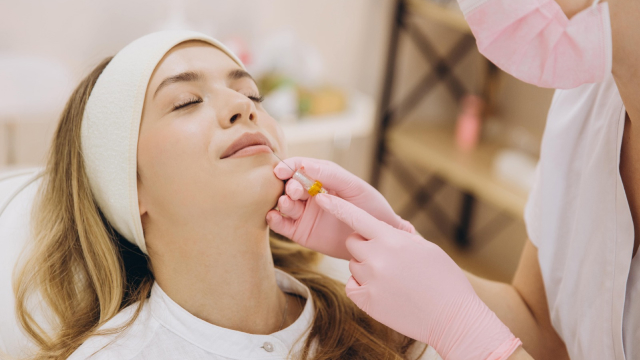
Botox is one of the most popular cosmetic treatments worldwide, trusted for its ability to smooth wrinkles and fine lines. Millions of people receive injections every year to achieve a more youthful appearance or to treat medical conditions such as chronic migraines, muscle spasms, and excessive sweating. Despite its proven record, many still ask an important question — can Botox cause cancer?
Understanding how Botox works, what it contains, and what science says about its safety can help separate fact from fear.
Understanding What Botox Really Is
Botox is the brand name for botulinum toxin type A, a purified protein derived from the bacterium Clostridium botulinum. When injected in controlled doses by trained professionals, it temporarily relaxes targeted muscles. This relaxation helps reduce the appearance of facial wrinkles caused by repeated expressions like frowning or squinting.
The treatment has been approved by the U.S. Food and Drug Administration (FDA) for both cosmetic and medical use. The doses used in aesthetic medicine are extremely small and carefully measured to be safe. When administered by a qualified injector, Botox does not spread to other parts of the body or cause long-term harm.
How Botox Works in the Body
To understand why Botox cannot cause cancer, it is helpful to know how it acts inside the body. Botox works by blocking nerve signals that trigger muscle contractions. Once injected into specific muscles, it prevents the release of acetylcholine, a neurotransmitter responsible for muscle movement.
This blockage relaxes the muscle temporarily, reducing tension and smoothing the skin above it. Over time, the nerve endings regenerate, restoring normal function. The effects typically last three to four months, depending on individual metabolism, treatment area, and dosage.
Since the toxin is localized to the injection site and eventually broken down into harmless amino acids, it does not alter cells in a way that could lead to cancerous growth.
What Research Says About Botox and Cancer Risk
Scientific studies and long-term research have found no connection between Botox and cancer development. Regulatory bodies such as the FDA and the European Medicines Agency have evaluated its safety profile for decades. The data shows that when administered properly, Botox poses no carcinogenic risk.
Botox does not cause mutations or genetic changes in cells, which are the typical triggers of cancer. It is a neuromodulator that works at the nerve-muscle junction, not within the cell nucleus or DNA. This distinction makes it biologically implausible for Botox to cause cancer.
Some early concerns came from the fact that Clostridium botulinum, the bacterium that produces the toxin, can cause botulism when ingested in large, uncontrolled amounts. However, the medical version of Botox is a purified, sterile, and highly diluted form of the toxin, posing no risk of infection or toxicity.
Myths and Misconceptions About Botox Safety
Like many cosmetic treatments, Botox has been surrounded by myths. One common misconception is that because it comes from a “toxin,” it must be harmful. In reality, the controlled use of this purified protein in medicine is one of the most studied and regulated procedures in aesthetics.
Another myth suggests that frequent Botox use can accumulate in the body and cause long-term health issues. This is false. The body metabolizes Botox completely within a few months, and it does not remain active beyond that.
Some people also worry about Botox spreading beyond the treated area. While improper injection techniques can cause temporary effects in nearby muscles, the treatment does not migrate to vital organs or cause systemic reactions when performed by trained professionals.
Clinical and Medical Uses Beyond Aesthetics
Botox is not limited to cosmetic enhancement. It has many therapeutic applications, which further proves its safety when used correctly. Medical professionals use Botox to treat conditions such as:
- Chronic migraines
- Cervical dystonia (neck muscle spasms)
- Overactive bladder
- Excessive sweating (hyperhidrosis)
- Strabismus (crossed eyes)
- Muscle stiffness in conditions like cerebral palsy
These treatments often involve higher doses than those used for facial aesthetics, yet studies still show no link between Botox and cancer or other serious diseases. This extensive medical use underscores the confidence that the healthcare community places in the treatment’s safety.
The Role of the Immune System
After receiving Botox injections, the body’s immune system may recognize the protein as foreign and develop antibodies against it. This immune response is rare and usually harmless. It may slightly reduce the effectiveness of future injections but does not cause cancer or other systemic illnesses.
The immune system processes the protein just like any other harmless foreign substance. Over time, the Botox molecules are broken down into simple components and eliminated through normal metabolic processes.
Factors That Ensure Safe Botox Treatment
Safety depends greatly on who performs the procedure and the quality of the product used. Choosing a licensed, experienced provider is crucial to avoid complications. Clinics that use FDA-approved products and follow strict medical protocols offer the safest results.
When seeking botox in Windermere, make sure to consult a certified medical professional who understands facial anatomy, dosage requirements, and injection techniques. They can tailor your treatment to achieve natural-looking results while minimizing any risks.
Always avoid bargain treatments or unlicensed injectors, as improper dilution or injection can cause side effects like bruising or temporary drooping. Trusted professionals ensure that every session is performed with precision and care.
Common Side Effects and When to Seek Help
While Botox is safe for most patients, mild and temporary side effects may occur, including redness, swelling, or tenderness at the injection site. These typically resolve within a few days.
In rare cases, some individuals experience minor headaches or slight bruising, which usually improve with rest and over-the-counter pain relief. If you ever notice symptoms like difficulty swallowing, muscle weakness, or allergic reactions, contact your healthcare provider immediately.
These reactions are extremely rare and not related to cancer or long-term toxicity. Most patients tolerate Botox well and enjoy smooth, refreshed results with minimal downtime.
How to Maintain Safe and Effective Results
Consistency is key to maintaining the benefits of Botox. Treatments are generally repeated every three to four months. Scheduling regular appointments with a trusted specialist helps ensure optimal outcomes without overuse.
Supporting your skin with a healthy lifestyle also improves results. Stay hydrated, avoid excessive sun exposure, and maintain a skincare routine with sunscreen and antioxidants. These steps enhance your natural appearance and help preserve the effects of each treatment.
A balanced diet and regular exercise further promote circulation and cell regeneration, keeping your skin healthy and radiant between sessions.
The Verdict Botox and Cancer Risk
After decades of medical and cosmetic use, no evidence supports the idea that Botox causes cancer. The treatment remains one of the safest and most reliable ways to reduce facial lines, improve skin texture, and restore youthful expression.
As with any medical procedure, the key is to work with qualified experts and use approved products. When performed correctly, Botox offers predictable results and peace of mind.
Final Thoughts
Botox continues to be one of the most effective non-surgical cosmetic treatments available today. With a long record of safety and scientific validation, patients can feel confident that it does not cause cancer or harm their long-term health.
For personalized care and professional expertise, visit Lumina Vein & Aesthetic Institute. Their experienced providers specialize in advanced aesthetic treatments, including botox in Windermere, helping patients look and feel their best with safety and precision at every step.